


Image Source: https://www.pexels.com/photo/a-man-in-gray-hoodie-standing-near-the-volcano-8905097/
Do you find yourself fascinated by sites that have been ravaged by natural or human-caused disasters, such as a tsunami or a chemical leak?
Outdoorsy travelers often report feeling a passion for travel because of the bounties of the natural world. But, deep within, many of us also feel a sort of unsettling frisson when we hear about mysterious, overpowering incidents that leave a site changed forever.
Disaster tourism is very much real, although it often receives a bad reputation and is viewed as a subset of “dark tourism.” What is important is viewing it as a manifestation of human nature. Wanting to learn more about the incident that destroyed a location as it once was is not surprising. Some will say it is even legitimate.
However, as someone who loves the outdoors, there are vital preparations that such tours entail.
Hazmats and Other Physical Shields
Depending on the type of trip, you may require protective gear that goes beyond a face mask.
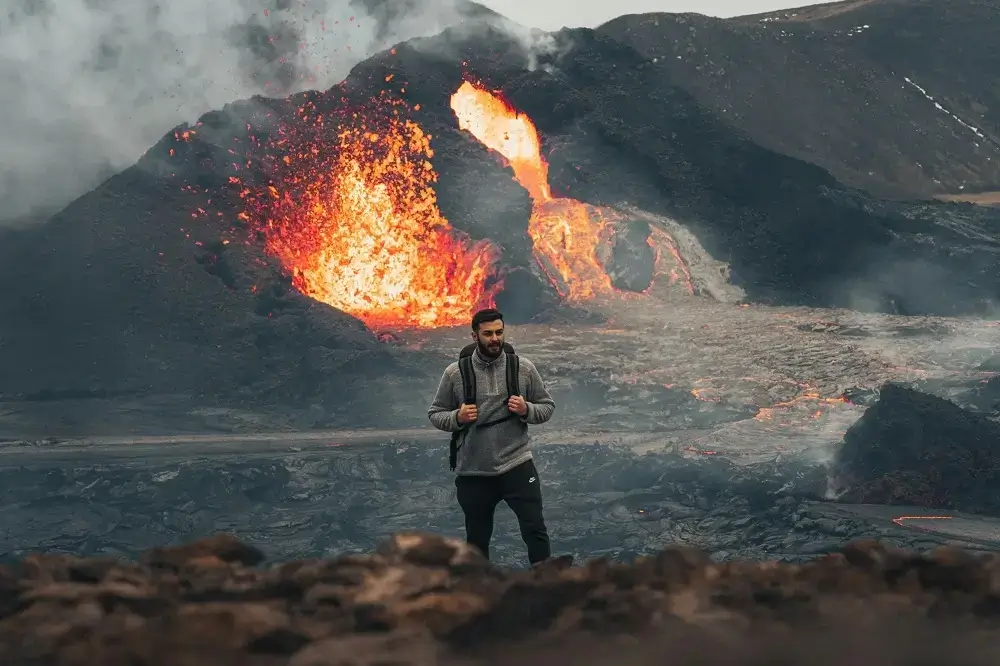
For example, consider volcano tourism, a booming sector in places like Italy and Hawaii. Undoubtedly, the sheer intensity of volcanoes can be spectacular to behold. They are an unrestrained force of nature that no shopping center can replicate.
And yet, they can and do pose the risk of major disaster. A few years ago, the BBC reported on an accident that happened near a stratovolcano off New Zealand’s coast. More than 20 people were killed when superheated steam erupted. Some volcanoes in Iceland are also fiercely active, which means tourism around them is fraught with danger.
If you are interested in visiting locations with volcanic or tectonic activity, staying updated with local advisories is non-negotiable. Flouting warnings and sneaking in would not be an adventure but a display of ludicrosity.
And yes, masks and coverings may be recommended if you venture too close. If you have respiratory troubles or another chronic condition, it is best to ask your physician before making such an expedition.
Mental Resilience and Strength
As an explorer with a scientific bent of mind, you may be interested in visiting sites that have experienced human-led disasters.
This temperament is not necessarily voyeuristic. It may emerge from a desire to figure out the factors involved and prevent an untoward incident from happening again.
Be prepared for a wave of intense emotions if you go ahead with such a trip. Tourists who visit Auschwitz often report feeling harrowed and depressed, shocked at the cruelty human beings are capable of. Even in the contemporary world, sites where gas leaks or chemical exposure have injured and killed people can be immensely disturbing to visit.
Sometimes, the full extent of damage is not visible or remains unknown to travelers until years later.
For example, some rail yards in the US have been linked to cancer among the workers. The constant exposure to carcinogens, such as benzene and asbestos, has been found responsible. Gianaris Trial Lawyers observes that corporate negligence and toxic exposure have often resulted in personal injury, subjecting people to cancer and neurological disorders.
Imagine how you might feel about those vintage photos at a railyard or off-grid factory, the corporate banner clear and bold, when you discover what the place did to numerous workers.
Prep yourself mentally by assessing your motivation for such a trip: was someone close to you affected? Do you have a scholarly or professional interest in the matter? Will the full expanse of the disaster leave you feeling devastated?
These questions demand answers before you pack your bags.
The Ethics of it All
A Reddit thread [r/TravelHacks] has interesting takes on this subject. If visiting a disaster site is considered unethical and disturbing, what would you say about visiting Pompeii? The trip is a core part of the itineraries of most Italian tour groups.
Likewise, if they had a chance, how many people would turn down the opportunity to see Titanic, tucked in its resting spot at the bottom of the Atlantic?
When someone who knows about your love for exploring new places and going to remote locations tries to shame you for “dark tourism,” these are conversation pointers. Human beings have always been fascinated and curious by nature, and disasters of any kind can stir these feelings. It might seem morbid, yes, but it is undeniable.
The USA Today observes how even some Halloween attractions are ethically murky. Case in point: the Eastern State Penitentiary in Philadelphia, a 19th-Century prison that now features actors dressed as guards and prisoners.
The important thing here is to visit any place with respect and interest. So, “poverty” photography in Africa or India is highly questionable, but going to Chernobyl to understand what happened is much more understandable.
When in doubt, ask yourself if your trip stems from empathy and interest. The purpose should be clarity and understanding, not cheap publicity and cultural appropriation.
For travelers and outdoor enthusiasts, witnessing places badly wrecked by disasters is upsetting. At the same time, a desire to visit these places is also natural and should be acceptable. As long as your preparations are in order.
