


Image Source: https://www.pexels.com/photo/a-silver-car-on-the-road-11101465/
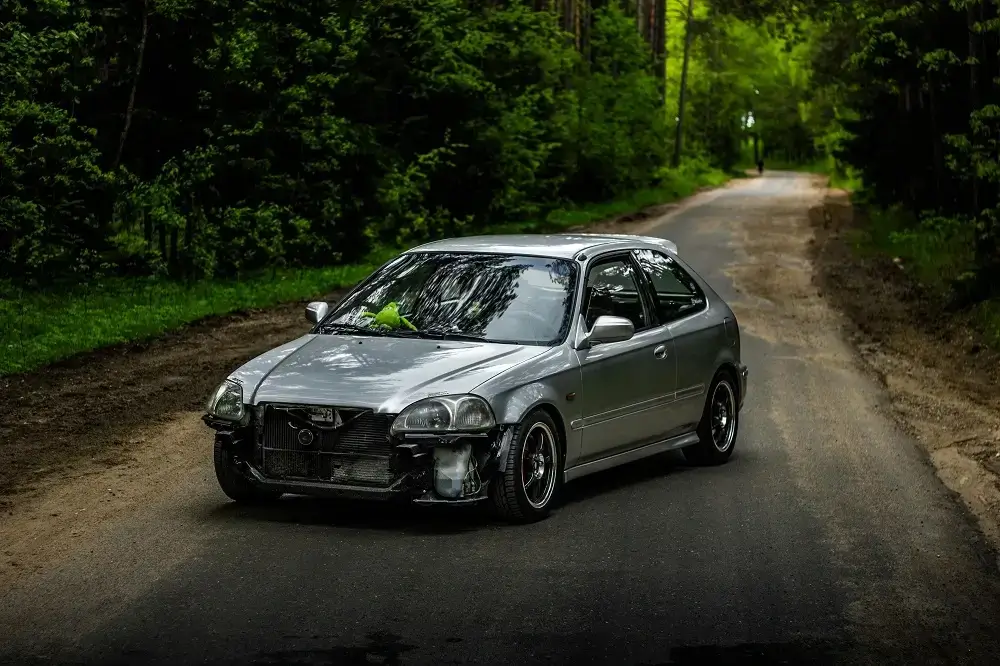
The great outdoors is enthralling until something happens that makes you wish you were closer to other people. A car accident is one such event: the vehicle that helped you escape the grind of everyday life unwittingly becomes the reason for your distress.
Receiving immediate help with injuries after an accident can be difficult in faraway locations. If you’re stuck in your car after a crash, unable to move, or injured badly and losing blood, no one will blame you for feeling overwhelmed.
Here is some practical advice that may help you if such a situation befalls you or someone you care about.
Instant First-Aid For Survival
Based on the severity of your injuries, you may require quick help to survive. Waiting until official help can arrive at the scene may be much too late.
For example, if you are bleeding profusely, applying pressure on the wound may also prove inadequate. Instead, you may need to create a tourniquet with whatever you can find on hand, such as your shirt. Place it tightly above the wound to stop the blood flow.
Sometimes, a collision can set off a panic attack that makes it hard to catch your breath. This feeling of air hunger or dyspnea is tied to the fight or flight response of anxiety. In this situation, you must try to recenter yourself in any way you can to get your breathing into a rhythm.
For some people, the 5-4-3-2-1 technique works: it lets you feel more stable by connecting to things you can see, touch, hear, smell, and taste.
It is also best to avoid sudden, abrupt movements as much as possible, especially if you experience back pain. You may have a possible spinal cord injury, which movement may only worsen. If possible, it is better to stay as still as possible until the ambulance arrives.
Mental Strength for Surviving Against All Odds
Truth be told, the minutes until an ambulance arrives can stretch on endlessly, especially when you’re out in the wild and have no support system. It demands immense resilience to go through this period long enough to access the necessary help at the nearest medical facility.
A survival show winner tells Outside Magazine about the dangers of the suffering mind and how it can cause heart palpitations. The ability to find mental stability amid severe physical discomfort can make all the difference in whether someone survives after an extreme incident or not.
It can be helpful to compel yourself to think about the time after the ordeal is over. A time that will surely come because you will get through this.
Recently, a car accident on I-630 in Little Rock, Arkansas, caused a fatality and serious injury. While in this case, a car hit a concrete barrier, the possibilities of collisions aren’t low even in the wilderness. Think random deer, equally random and careless driver. In the first case, it might seem natural to consult with a personal injury lawyer in Little Rock to claim compensation for the damages.
However, even in the latter scenario, getting legal counsel can help you recover from the incident, at least to some extent. Keith Law Group observes that people require compassionate guidance at this time, and experienced professionals can help them assess their injuries and damages.
In such adverse events, we need assistance from various quarters, including medical, legal, and personal. Reassuring yourself that you will have support with the situation, eventually, can help you keep calm until the support actually arrives.
Reaching Out For Help, In Whatever Way Possible
While you try to focus on the above two points, there’s one redeeming thought holding you steady: help is coming. You have called an ambulance, and they are en route. Or the driver of the vehicle that led to the accident has gone out seeking help.
But what happens if you’re so off-grid that phone networks are unavailable and the other driver scoots off?
Staying calm in these circumstances can be horrendously hard. Your best bet is to make yourself and your car as visible (and audible) as possible.
For example, you can keep the headlights on to draw attention from a nearby hiker. Or you can try honking, yelling, and whatever else you can muster the strength for. Another option is to try making a fire or smoke to get attention.
It’s also reassuring to remind yourself that the world is now much more connected than ever, and even intensely off-grid locations are only a few miles away from urban dwellings.
The BBC reported only last year on how a mother and her nine-year-old child were rescued from the forest in Sierra Nevada, California. They had left behind a series of handwritten notes. The rescue took 24 hours, but it happened.
A car accident out in the wild can seem like the end of days. But if you are fortunate and quick to take action, you may live to tell the tale.
Meanwhile, let’s keep our vehicles serviced and ship-shape and spread the word about not leaving others abandoned, regardless of the instinct to flee.
