


Image Source: https://unsplash.com/photos/persons-feet-on-sand-tC8KEKj93e8
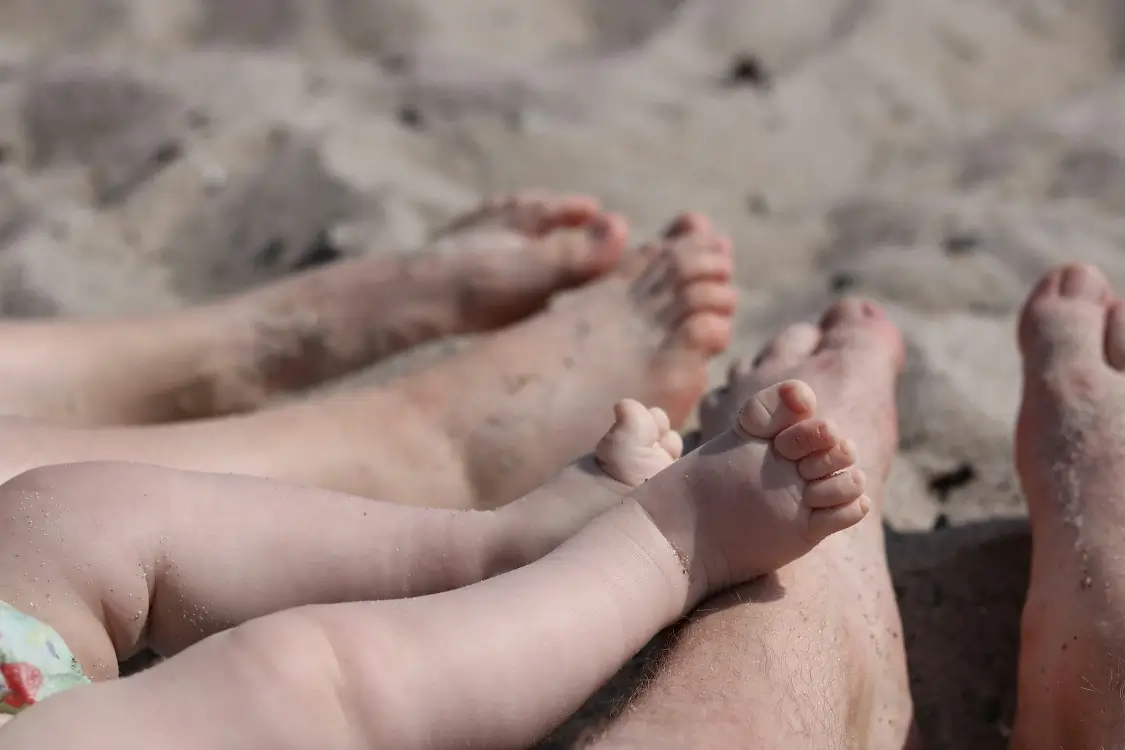
A beach trip with babies and toddlers can feel like the highlight of summer. Soft sand, shallow waves, and open skies create the kind of setting where early childhood memories begin.
At the same time, young children experience heat, surfaces, and surroundings very differently from older kids. They explore with their hands and mouths. They tire quickly. They depend entirely on you to read the environment for them.
UK summers in recent years have shown how quickly conditions can shift. Record-breaking heat has pushed families outdoors in huge numbers, while changing coastal patterns have altered what washes up on shore. A relaxed beach day is still possible, but it rests on careful choices made before and during your visit.
Here is how to approach beach trips with babies and toddlers this summer in a way that protects their comfort and safety without losing the joy.
Choose Your Beach Carefully and Plan Around Peak Heat
Start with research rather than impulse. Some UK beaches offer wide, gently sloping sand and seasonal lifeguards. Others have strong currents, steep drop-offs, or limited shade. With babies and toddlers, convenience matters more than scenery. Easy access to toilets, shaded areas, and lifeguard supervision should rank high on your list.
Timing is just as important as location. The UK has experienced record summer temperatures in recent years, with the BBC reporting unprecedented highs during heatwaves. Even when the sky looks mild and there is a coastal breeze, UV levels and ground heat can rise quickly. Sand absorbs and holds warmth, which makes crawling and sitting uncomfortable for little ones.
Try to plan your visit for the early morning or later in the afternoon whenever you can. Avoid the peak midday sun, especially with babies under one. Bring shade in the form of a beach tent or large umbrella, and build regular cool-down breaks into your routine.
Hydration and Feeding in Summer
With record-high UK summer temperatures reported last year, dehydration is now a real risk during beach outings. Offer toddlers small, regular sips of water throughout the day instead of waiting for them to say they are thirsty. Breastfed babies may also need more frequent feeds in the heat.
Pay attention to early signs such as dry lips, irritability, unusual tiredness, or fewer wet nappies than expected.
Many families rely on infant formula during beach trips, which makes careful handling essential in the heat. The prepared formula spoils quickly at room temperature, so use it within two hours of making it and within one hour once feeding starts.
Discard any formula left in the bottle after a feed, as contact with your baby’s saliva allows bacteria to grow. Always clean and sanitise bottles before reuse.
Notably, some parents have grown more cautious about formula choices in recent months. According to TorHoerman Law, legal headlines linking certain products to NEC cases have influenced that shift.
NEC lawsuit update reports noting major verdicts and settlements have led many families to look more closely at the formulas they choose. While beach safety is not the place for brand debates, it is reasonable to choose well-regarded options you feel confident using.
Stay Alert to Sea Life and Shoreline Hazards
Warmer waters and shifting marine patterns have increased the presence of jellyfish along some UK coastlines in recent seasons. Families have reported large numbers washing ashore during hot spells. Some species are harmless, while others can sting even after they appear lifeless on the sand.
Before allowing toddlers near the waterline, scan the area carefully. Clear or pinkish blobs in shallow water or scattered along wet sand deserve caution. Dead jellyfish can still release venom if touched. Keep small children from picking up unfamiliar sea creatures, no matter how curious they are.
Encourage the use of lightweight water shoes to protect delicate feet from shells, sharp stones, and unexpected marine life. If a sting occurs, seek help from a lifeguard rather than attempting improvised treatments.
Sea life is only one part of shoreline awareness. Tides in the UK can shift rapidly, transforming open sand into advancing water within hours. Set up well above the high tide line and keep babies within arm’s reach at all times near the sea. Even shallow waves can knock a toddler off balance.
Let Them Play in the Sand with Thoughtful Caution
Sand play is one of the simplest joys of a beach trip. Babies feel textures through their fingers. Toddlers dig, scoop, and pour with intense concentration.
Yet recent environmental research highlighted by The Guardian has found increasing levels of human-made materials in UK beach sediments. Fragments of glass, plastic, and other debris are being detected more frequently, reflecting wider environmental strain.
This does not mean beaches are unsafe by default, but it does mean supervision needs to be active rather than casual. Before settling in, scan the immediate area for visible litter, sharp shells, or broken materials. Clear what you can safely remove. Lay down a large blanket as a clean base for younger babies who are sitting or crawling.
Expect that some sand will end up in mouths. That is part of toddler exploration. Gently redirect rather than react harshly, and keep wipes on hand. Sand stuck to wet skin can irritate, so rinse hands and face regularly with clean water. By staying observant, you allow free play while quietly reducing risk.
FAQs
At what age can babies go to the beach?
Babies can visit the beach from a very young age, even in the first few months, if conditions are safe. The key is limiting sun exposure, avoiding peak heat, and ensuring constant supervision. Short, well-planned visits are usually best for younger infants.
Where are the best beaches to visit with kids in the UK?
Many UK beaches are great for kids, especially those with gentle slopes, sandy stretches, and lifeguard cover. Places like Bournemouth Beach in the south and Rhossili Bay in Wales are popular family spots. Also consider beaches with good facilities, easy access, and nearby shade.
What to take to the beach with kids in the UK?
Pack sun protection first, including high SPF sunscreen, wide-brim hats, and a beach umbrella or tent for shade. Bring plenty of water, easy snacks, spare clothes, towels, and a small first aid kit. Do not forget wipes, swim nappies if needed, and a lightweight blanket for rest breaks.
Ultimately, a beach trip with babies and toddlers can be deeply rewarding when approached with steady awareness and realistic planning. Choosing the right location, watching for environmental changes, and staying proactive about hydration all work together to create a safer experience.
These small, thoughtful actions may seem ordinary in the moment, yet they shape how the entire day unfolds. When safety is built into the background, you are free to focus on what truly matters. The laughter, sandy hugs, tiny footprints, and first splashes in the sea become lasting memories, grounded in care and quiet preparation.
